

(Investing) – The U.S. appears to be “likely at this stage” to conduct a military operation in Iran, although the scope and goals of any actions remain an open question, according to analysts at Raymond James.
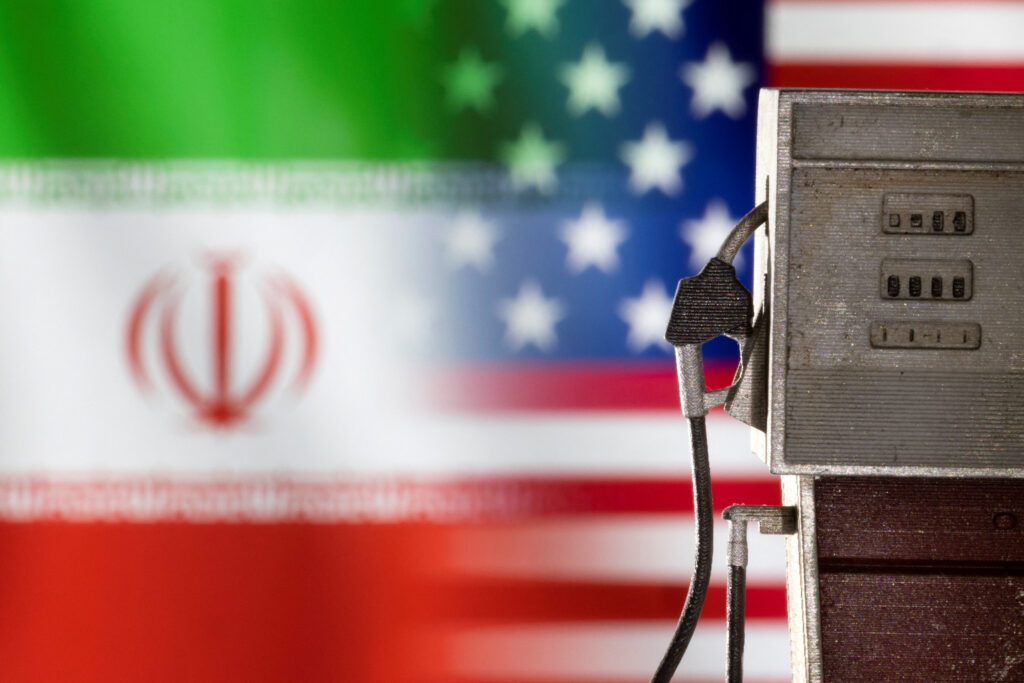
In a note to clients, the Raymond James analysts including Ellen Ehrnrooth and Ed Mills predicted that the Trump administration may prefer a “more targeted action, but practical realities keep the prospect of a wider engagement firmly on the table.”
A rapid increase in the presence of American military equipment in the Middle East, coupled with an impasse in talks between the U.S. and Iran following a meeting of representatives earlier this week, have raised the prospect of fresh strikes.
At issue are U.S. demand for Iran to put an end to its nuclear program and agree to constraints on its ballistic-missile agenda. Washington has also called for Tehran to reduce its support for armed proxies in the region. Iran has so far refused such terms and has offered minimal concessions, all while denying that has ever made an attempt to construct a nuclear weapon.
U.S. President Donald Trump suggested on Thursday that he would make a decision on his upcoming moves on Iran within 10 days, vowing to “make a deal or get a deal one way or the other” with Tehran.
Officials in Iran, meanwhile, have promised a maximum response to any attacks. Supreme Leader Ali Khamenei has said that Iran could deliver a blow to the U.S. military that would be so hard “it cannot get up again.”
“While limiting factors remain […], the sheer size of the military buildup suggests, at a bare minimum, a real willingness to follow through on the threats made over recent weeks,” the Raymond James analysts said.
For financial markets, the possibility of U.S. strikes on Iran, which would come after American attacks on the country’s nuclear infrastructure last year, has fueled speculation that crucial oil supplies out of the Middle East may be disrupted. Iran is both a major oil producer and has influence over flows through the Strait of Hormuz, a chokepoint waterway through which a fifth of the world’s oil supply passes.
Some observers have predicted that U.S. strikes could drive up oil prices and, in turn, keep upward pressure on inflation in many economies. Central banks may be forced to slow potential interest rate cuts as a result, analysts at Capital Economics have said.
Brent crude prices were lower in mid-morning European trading on Friday, but have hovered near their highest level since early August.
Market reaction to geopolitical developments has been muted in recent years, but “the elevated uncertainty and risk that the operation spills into a wider conflict may test that dynamic,” the Raymond James analysts said.
This article was automatically fetched from an external source.